A typical brand comes to us for Shopify orders, then adds Amazon when it’s ready. Because all three services share one inventory pool, a new channel is a setting we switch on, not a second warehouse to manage.
Your store connects directly to our system. Orders placed before the daily cutoff are picked, packed in your packaging and shipped the same day.
Your supplier ships to us. We inspect, label, bag and box every unit to Amazon’s requirements and send it on to the right fulfillment center.
We ship your seller-fulfilled Amazon orders inside your handling time and upload valid tracking on every one, so your account metrics stay healthy.
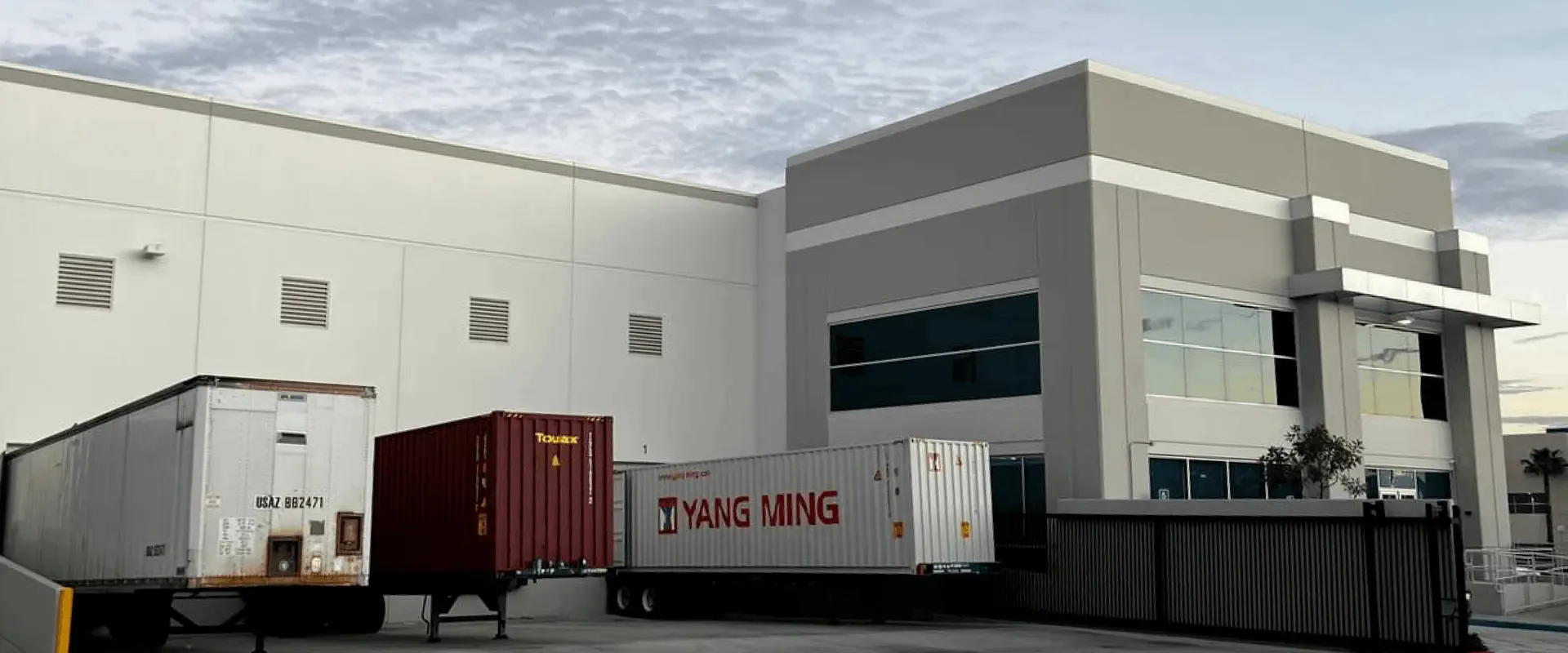
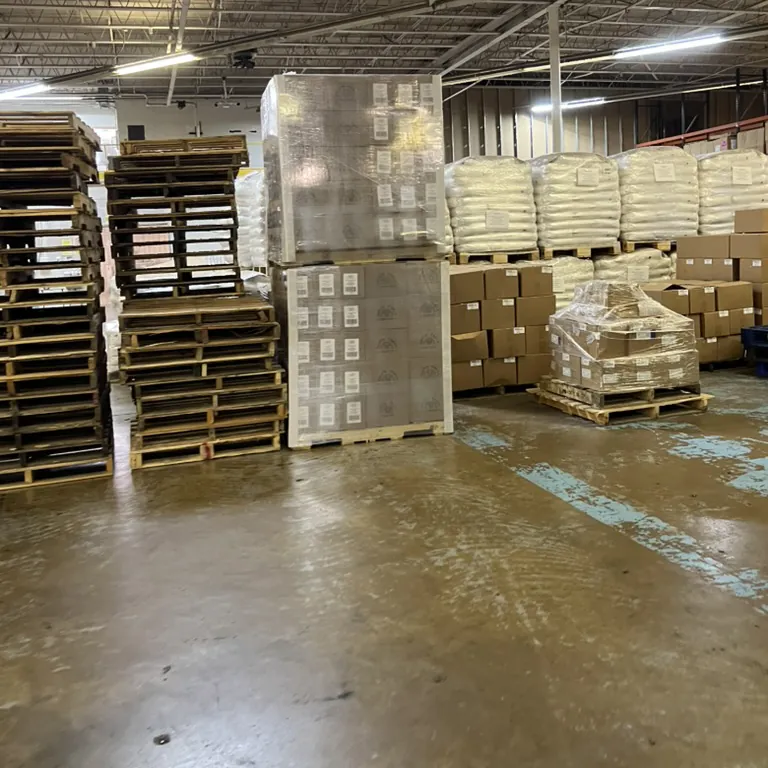
Warehouses are shaped by the work they do most. One that mostly moves pallets for retailers has wide aisles, tall racks, freight doors and software built around bills of lading. Ask it to pick 900 single orders a day and everything is slightly wrong for the job.
Our building is set up for small parcels: shelving close to the pack stations, scanning at every step, and a day planned around the carrier pickups. It’s also why we connect to Shopify directly instead of through a generic connector, and why Amazon’s prep rules are part of our routine rather than something we check each time.
Saying no to other kinds of work keeps us good at this one. If your business needs pallet storage or retail distribution, we’ll tell you, and point you somewhere better suited.
You can reach us. It sounds like a small thing until you’ve spent a Black Friday waiting on a support ticket while your customers wait on their orders. Every brand we work with has direct contact with the people handling its inventory that day.
We want to be the 3PL you stay with, not the one you switch to because it was cheapest.
Share your monthly orders, SKU count, channels and where your customers are. We’ll send back an itemized quote built on those numbers.